
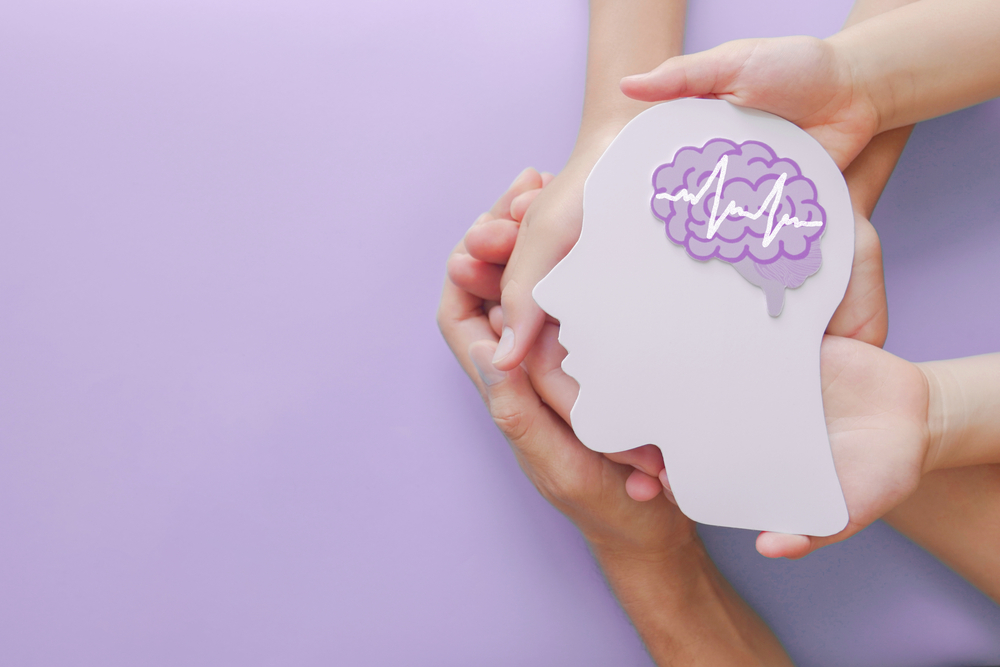
Our brains are made up of cells known as neurons; these are the basic building blocks of the brain and nervous system. These cells receive sensory information from the outside world, provide motor commands to our muscles, and transform and relay electrical signals at each stage. The interaction of neurons within our brains provides the basis for our thoughts, feelings and behaviours. Synchronised electrical pulses from large numbers of neurons interact with one another and create brainwaves.
Five brain waves operate at different speeds and affect us in various ways. These are known as alpha, beta, gamma, theta and delta waves. A mix of brain waves often characterises brain activity. A specific brain wave will predominate over the others depending on your actions. When slower brain waves dominate, we may feel tired, sleepy, or sluggish. When we feel energised or hyper-alert, higher frequencies are more likely to be in control at that moment. If you have an imbalance of brainwaves, you may have issues with your emotional and neuro-physical well-being.
Alpha Waves
Alpha waves occur between 8 and 12 Hz. These waves make up the bulk of your brainwave range; when your brain functions at the alpha frequency, you may find it easier to acquire new knowledge and be more creative. Alpha brain waves are also present during contemplative moods and some forms of meditation. When your brain is in a state of rest, alpha is typically in control, and when you take part in activities that require a lot of attention and concentration, they will diminish. Overall mental coordination, tranquilly, mind-body integration, and assimilating knowledge are also all aided by alpha waves.
Beta Waves
Beta brain waves are very fast in action, with a frequency range of 14 Hz and greater. Beta brainwaves rule our typical waking state of consciousness when our attention is focused on cognitive processes and the outside world. Beta encourages functions such as concentrating, thinking critically, making decisions, or solving problems. Excess production of beta waves has been linked to anxiety, over-stimulation, stress, paranoia and high energy, while low production is linked to quiet, focused and introverted concentration.
Gamma Waves
Gamma waves are the quickest of all brain waves. They typically occur when you are highly alert and conscious, ranging from 30 to 80 Hz. Gamma brainwaves quietly and quickly transfer information. Gamma is also the most subtle of all brainwave frequencies; the mind must be quiet to reach it.
High production of gamma waves will create a feeling of happiness and make you more receptive. People with high levels of gamma are more likely to have a higher IQ and stronger concentrating abilities. In contrast, lower levels of gamma production can lead to learning and memory problems and decreased concentration, mental capacity and attention span. Prolonged levels of lowered gamma waves can also contribute to learning disabilities and mental disorders.
Theta Waves
Theta activity is typically slow in action and has a frequency of 3.5 – 7.5 Hz. They are usually present while sleeping or dreaming; however, theta brain waves do not occur during the deepest stages of sleep. They will usually be present before you wake up, as you are suspended in a light stage of sleep, or just before you fall asleep.
Theta brain waves can also be present while awake and highly relaxed. However, you might feel a little lethargic or disorganised if you have many theta waves while awake. It is believed that theta waves are crucial for memory formation and information processing. They are excellent in assisting you in learning and assimilating information.
Delta Waves
Delta is the lowest frequency brain wave; these are less than 4 Hz and occur in periods of deep sleep and some abnormal processes. Delta waves are most commonly found in infants and young children. In adults, the presence of delta is frequently observed in brain traumas, learning issues, mental impasses, and severe ADHD. Suppression of this wave results in poor sleep quality and a failure to restore the body and the brain. A healthy amount of delta wave production boosts the immune system, supports natural healing, and encourages deep, restful sleep, all of which make us feel entirely refreshed.
Neurofeedback and Brain Waves
Your brainwaves play a crucial role in maintaining positive mental health. Very often, your functions can be impaired by an imbalance of brainwaves. For example, research has shown that an imbalance of alpha waves can cause someone to experience symptoms of depression.
Furthermore, an imbalance of brain waves can make it difficult to concentrate or complete tasks, as you may experience fatigue, brain fog or anxiety. If your brainwaves are not functioning efficiently for an extended period, your cognitive function may progressively worsen.
To improve focus, your brain may need to be redirected or retrained. Neurofeedback is an excellent and efficient way to do this. Infra-Low Neurofeedback (ILF) therapy is a safe, quick, and non-invasive way to help the brain regain its natural balance. This cutting-edge mental health treatment helps the brain “re-wire” and improves mental and physical functioning without needing in-depth talks and discussions.
Very often, when you are suffering from an over or under-production of brainwaves, you may not know the problem, but you will be aware of the symptoms you are experiencing due to an imbalance. Neurofeedback does not rely on analysing your symptoms but instead targets the root of the cause, which is often an imbalance of brainwaves. Throughout neurofeedback treatment, your brain will slowly begin to rebalance and repair optimal cognitive functioning again.
Get in Touch
At Kedras Clinics, we offer neurofeedback as part of various treatment options. We have a team of highly trained specialists on hand to help you get to the root of your problems and regain psychological balance. Contact us today to find out more.